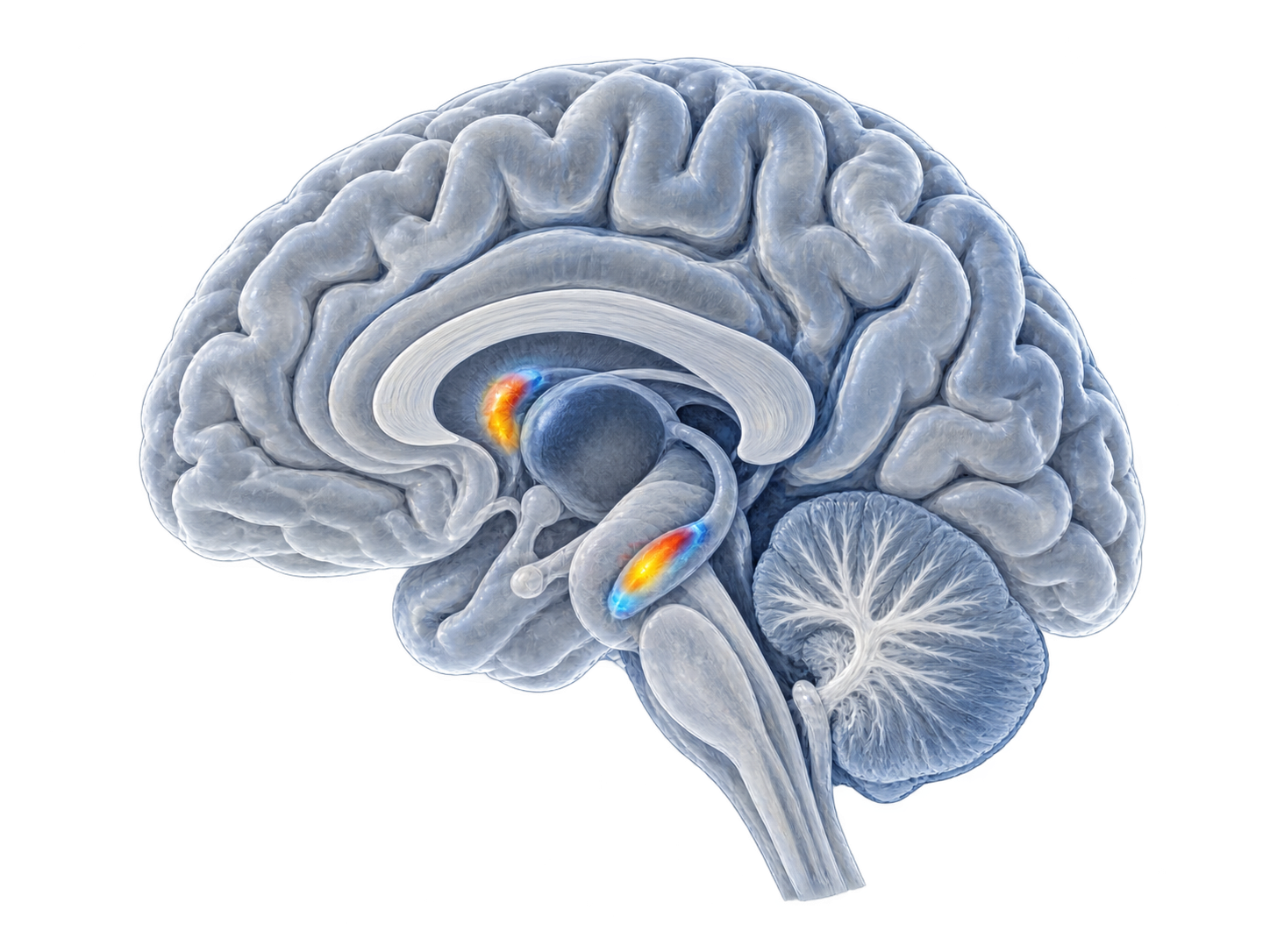
How the brain decides what to remember
The world presents far more information than memory can retain. We investigate how learning signals—including surprise, prediction errors, expected value, and biological significance—determine which experiences are encoded and preserved. Our research examines these mechanisms across levels of awareness, from explicit knowledge updating to memory formation under general anesthesia.

What makes an experience memorable?
Memory is not a passive record of experience. The brain continually evaluates incoming information and uses learning signals to determine what should be preserved and what can be safely forgotten.
Knowledge gaps
Uncertainty about what we know signals where new information may be especially valuable.
Prediction errors
When outcomes violate expectations, the brain updates its internal models and prioritizes relevant information for memory.
Expected value
Reward-related learning can enhance memory for information encountered in contexts associated with greater value.
Biological significance
Threat and other salient signals can shape what is remembered, potentially even without conscious awareness.